
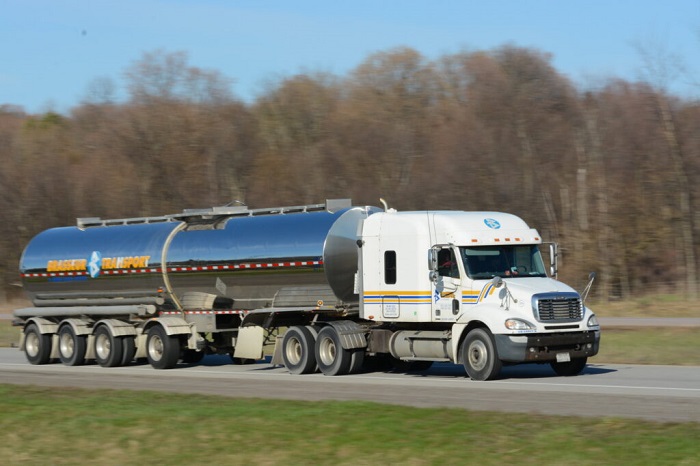
Transporting hazardous materials through the bustling Dallas metro demands strict hazmat Dallas team protocols to ensure safety and compliance. Chemical freight handlers face unique challenges, from navigating route restrictions and escort rules to accurately applying placarding as outlined in the ERG guidebook. Proper use of PPE and adherence to decontamination procedures are critical to protect teams from exposure. With chemicals often classified under codes like HM-126F, understanding these safety measures is essential for efficient, incident-free hauling. This article delves into key safety protocols every hazmat team must follow when hauling chemicals through Dallas, prioritizing both public safety and regulatory compliance.
2. Overview of Two-Person Team Protocols for Chemical Hauling
In hazmat Dallas operations, deploying a two-person team is a critical protocol to enhance safety and compliance when hauling chemical freight. This approach ensures continuous monitoring and immediate response in emergencies, especially when transporting materials classified under codes like HM-126F. Each team member must be thoroughly trained in ERG guidebook procedures, including the correct application of placarding and understanding route restrictions unique to Dallas metro.
Both team members are responsible for maintaining clear communication, double-checking PPE adherence, and performing routine checks on containment integrity throughout the transit. Escort rules often require these teams to coordinate with local authorities, ensuring safe passage through designated routes. Additionally, a two-person setup facilitates proper handling of decontamination processes if accidental spills or exposures occur.
By following these team protocols, hazards associated with chemical freight are minimized, protecting not only the crew but also the public and environment. The two-person system embodies a proactive safety culture, combining vigilance and collaboration to meet the demanding standards of hazmat Dallas chemical hauling operations.
3. Personal Protective Equipment (PPE) Standards and Requirements
To ensure hazmat Dallas team protocols effectively protect against chemical freight risks, strict PPE standards must be followed:
- Comprehensive PPE Selection: Use chemical-resistant suits, gloves, and boots suited for materials like HM-126F.
- Respiratory Protection: Employ appropriate respirators based on ERG guidebook hazard assessments.
- Mandatory PPE Checks: Conduct pre-transport inspections to confirm integrity and correct fit.
- Placarding Awareness: Ensure PPE use aligns with placarding requirements signaling specific chemical hazards.
- Decontamination Ready: Equip team members with PPE that supports safe decontamination after exposure.
- Compliance with Escort Rules: Follow PPE protocols coordinating with local authorities during restricted route passage.
Adhering to these PPE standards is vital for safe, compliant chemical hauling through the Dallas metro.
4. Essential Spill Kits and Emergency Response Procedures
Effective spill kits and emergency response procedures are critical components of hazmat Dallas team protocols when hauling chemical freight, especially with hazardous materials like HM-126F. Key measures include:
- Spill Kit Composition: Ensure kits include absorbent pads, neutralizers, chemical-resistant gloves, goggles, disposal bags, and tools designed for specific chemicals per ERG guidebook guidelines.
- Accessibility and Maintenance: Store spill kits within immediate reach in transport vehicles; regularly inspect and replenish contents to meet route restrictions and escort rules demands.
- Immediate Spill Containment: Upon a spill, the two-person team must quickly isolate the area, use PPE to prevent exposure, and deploy spill kit materials to contain and absorb hazardous chemicals.
- Communication Protocols: Notify local emergency responders and authorities following hazmat Dallas communication standards and escort rules, providing placarding information to assist in rapid identification of the chemical.
- Decontamination Procedures: After spill containment, perform thorough decontamination as outlined in team protocols to protect personnel and prevent contamination spread.
- Documentation and Reporting: Complete incident reports detailing spill causes, response actions, and corrective measures to enhance future safety during Dallas metro chemical freight hauling.
By rigorously applying these spill kit and emergency response procedures, hazmat Dallas teams uphold safety, minimize risks, and ensure regulatory compliance during chemical transport.
5. Navigating Dallas Fire-Marshal Checkpoints: Placarding and Documentation
When hauling chemical freight through the Dallas metro, passing Fire-Marshal checkpoints is a critical juncture requiring strict adherence to hazmat Dallas team protocols. Proper placarding is essential — vehicles must display clear, compliant hazard placards as specified in the ERG guidebook, accurately reflecting the transported material’s classification, such as HM-126F. These placards alert Fire-Marshal personnel to potential risks, ensuring swift and informed inspections.
In addition to placarding, comprehensive documentation must be ready for review. Teams should carry up-to-date shipping papers, emergency response guides, and route restriction permits mandated by Dallas escort rules. This documentation verifies compliance and facilitates smooth checkpoint clearance without unnecessary delays.
A two-person team must coordinate to double-check placards before arrival and ensure all paperwork is complete and accessible. PPE readiness remains crucial here, as checkpoints may require additional safety measures during inspections or in case of unforeseen incidents.
Thorough preparation for Fire-Marshal checkpoints reinforces hazmat Dallas protocols by combining accurate placarding with meticulous documentation. This synergy supports safe transit, adherence to local regulations, and protects both the crew and public throughout the chemical hauling journey.
6. Compliance with Route Restrictions and Escort Rules in the Dallas Metro
Navigating route restrictions and escort rules is paramount for hazmat Dallas teams hauling chemical freight, especially materials classified under codes like HM-126F. The ERG guidebook outlines specific routes designated for hazardous shipments to minimize exposure risks in densely populated areas. Complying with these restrictions ensures legal adherence and public safety. Escort requirements often mandate coordination with local authorities, who monitor and guide the transport to prevent incidents. Team protocols demand continuous communication, strict PPE use, and readiness for decontamination if necessary during escorted transit. Failure to comply risks fines, delays, and safety hazards. By rigorously following route restrictions and escort rules, hazmat Dallas teams uphold operational integrity and protect both crew and community throughout chemical freight transport in the Dallas metro.
Table
7. Utilization of the ERG Guidebook and HM-126F for Incident Management
Effective incident management during chemical freight transport in the Dallas metro hinges on expert use of the ERG guidebook and adherence to HM-126F protocols. Hazmat Dallas teams rely on the ERG guidebook to quickly identify hazards, determine appropriate PPE, and execute immediate response actions. When incidents occur, this guidebook offers critical guidance on spill containment, decontamination procedures, and evacuation criteria tailored to the chemical classification.
For materials like HM-126F, the ERG’s placarding instructions ensure proper hazard communication, facilitating coordination with emergency responders and compliance with escort rules and route restrictions. Team protocols mandate that both members review the guidebook regularly to maintain readiness for rapid decision-making, minimizing exposure risks and environmental impact. By integrating ERG guidance with hands-on training, hazmat Dallas teams enhance safety during unexpected events, ensuring swift, compliant, and effective incident resolution throughout chemical freight hauling operations.
8. Decontamination Procedures Post-Transport
After completing chemical freight transport through the Dallas metro, hazmat Dallas team protocols require thorough decontamination to prevent contamination and ensure safety. Both team members must carefully remove PPE following ERG guidebook guidelines to avoid chemical exposure, particularly when handling materials like HM-126F. All suits, gloves, and respirators undergo proper cleaning or disposal per hazardous waste regulations. Vehicles and equipment must be decontaminated using approved neutralizers and cleaning agents, complying with route restrictions and escort rules. Documenting the decontamination process is essential to maintain compliance and readiness for future hauls. Adhering to these stringent post-transport decontamination procedures protects personnel, preserves public safety, and upholds regulatory standards, reinforcing the integrity of hazmat Dallas chemical freight operations.
9. Conclusion: Ensuring Safety and Compliance in Hazmat Freight Operations
In navigating the complexities of hauling hazardous chemicals through the Dallas metro, strict adherence to hazmat team safety protocols is non-negotiable. From thorough pre-trip inspections and proper use of personal protective equipment to clear communication and emergency preparedness, every step safeguards both the team and the public. Compliance with federal and local regulations, combined with ongoing training and risk assessment, ensures smooth operations amid urban challenges. Prioritizing safety not only prevents accidents but also enhances operational efficiency and builds trust. By embedding these best practices, hazmat teams can confidently manage chemical freight with maximum safety and compliance in Dallas. Find out more https://www.hmdtrucking.com/truck-driving-jobs/hazmat-team-dallas/
Call to Action
Ensure your team’s safety on every haul—click now to master essential Hazmat protocols or contact us today for expert guidance!