
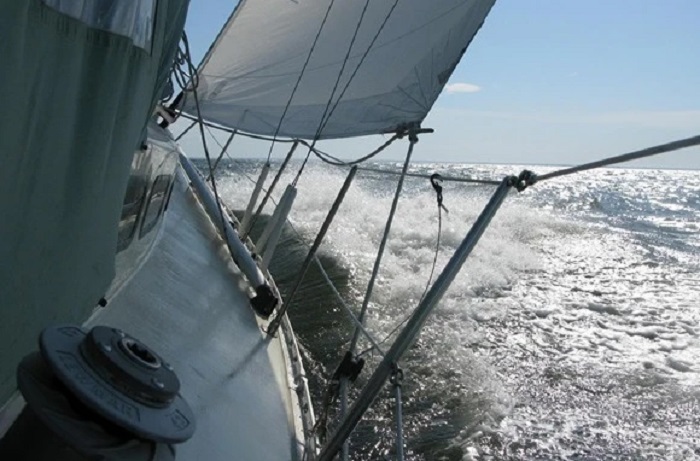
There’s nothing quite like the feeling of setting out on the open water for the first time. The gentle rocking of the waves, the freedom of charting your own course, and the excitement of discovering new horizons create an unforgettable adventure. For beginners, however, planning a boat trip can feel overwhelming. From choosing the right vessel to understanding safety measures, preparation is the key to ensuring your first journey is enjoyable and secure.
Among the most important aspects of preparation is safety. Essential gear such as a Lifebuoy and Rescue Slings can make all the difference in case of emergencies, giving you and your passengers peace of mind while you focus on the joys of boating.
Choosing the right boat
The first step is selecting a boat that suits your needs and experience level. Smaller boats, such as day cruisers or inflatables, are often easier for beginners to handle, while larger yachts or sailboats may require more training and confidence. Consider the size of your group, the type of waters you plan to explore, and your budget before making a choice.
For your first trip, it’s best to start with a manageable vessel and short routes. This allows you to gain confidence in steering, anchoring, and docking without unnecessary stress.
Planning your route
Unlike road travel, boating requires careful navigation. Study charts and maps to understand the area you’ll be exploring. Identify marinas, anchorages, and fuel stations along the way. It’s also wise to plan alternative routes in case weather conditions change.
Modern GPS systems make navigation easier, but beginners should always have paper charts as backup. Learning to read them not only builds skill but also ensures you’re never completely reliant on electronics.
Packing essentials
A successful boat trip requires thoughtful packing. Beyond food, water, and personal belongings, you’ll need boating-specific supplies. These include anchor lines, fenders, first-aid kits, and communication devices like VHF radios.
Equally important is safety equipment. Every passenger should have a properly fitted life jacket, and the boat should carry essential rescue tools such as a Lifebuoy and Rescue Slings. These devices are critical for retrieving someone who has fallen overboard, especially in rough or unpredictable waters.
Understanding safety basics
Before setting out, make sure you’re familiar with the basic safety rules of boating. Always check the weather forecast, maintain a safe speed, and keep a lookout for other vessels. Inform someone on land about your route and expected return time.
Practice emergency drills with your passengers. Demonstrating how to use a Lifebuoy and Rescue Slings, where to find fire extinguishers, and how to operate communication equipment ensures that everyone knows what to do if something goes wrong.
The importance of rescue equipment
Man-overboard situations are among the most common emergencies on boats. Even experienced swimmers can struggle in open water, especially in strong currents or cold temperatures. Having a Lifebuoy and Rescue Slings onboard allows you to quickly assist someone in distress without putting others at risk.
Lifebuoys are easy to throw and provide immediate flotation support, while rescue slings help bring a person safely back onboard. Together, they form a crucial part of any safety plan, ensuring that accidents don’t turn into tragedies.
Building boating skills
Confidence comes with practice. Beginners should take time to learn basic maneuvers such as docking, anchoring, and steering in different conditions. Enrolling in a boating safety course is highly recommended—it provides hands-on training and valuable knowledge that can’t be gained from books alone.
Start with short trips close to shore before attempting longer journeys. Each experience will build your skills and help you become more comfortable with handling the boat and responding to unexpected challenges.
Respecting the environment
Part of the boating lifestyle is respecting the waters you travel through. Dispose of waste responsibly, avoid disturbing wildlife, and follow local regulations. Protecting the environment ensures that future generations can enjoy the same pristine experiences you’re discovering now.
Slow travel by boat also fosters a deeper appreciation for the natural world. Watching dolphins swim beside your boat or anchoring in a quiet cove teaches you the value of preserving these spaces.
Creating lasting memories
Your first boat trip is about more than just learning new skills—it’s about creating moments you’ll never forget. Whether it’s watching the sunset from the deck, sharing meals with friends, or waking up to the sound of waves, boating offers experiences unlike any other form of travel.
Having the right mindset is important. Expect minor challenges and embrace them as part of the adventure. With good preparation and proper safety measures in place, your first journey will be filled with excitement, discovery, and joy.
Conclusion
Planning your first boat trip may seem daunting, but with careful preparation, it becomes an immensely rewarding experience. Choosing the right vessel, mapping your route, packing essentials, and learning safety basics set the foundation for a successful journey.
Most importantly, don’t overlook rescue equipment. A Lifebuoy and Rescue Slings should always be part of your onboard gear, giving you confidence that you’re ready for unexpected situations. By combining practical preparation with a spirit of adventure, your first boating experience will not only be safe but unforgettable—a gateway to a lifetime of journeys on the water.