
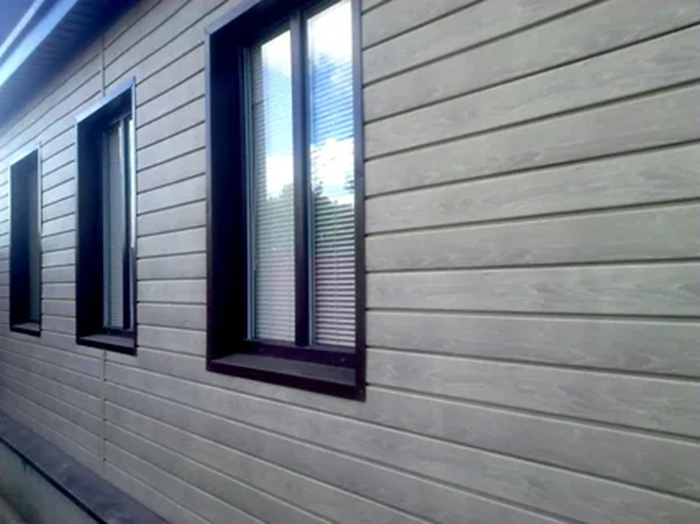
Siding is a key element of a home’s exterior finish, not only adding aesthetic appeal but also protecting the walls from the elements. Properly selected siding can significantly improve a home’s energy efficiency and increase its longevity.
There are many types of siding available on the market today, each with its own characteristics, advantages, and disadvantages. Among the most popular materials are vinyl, metal, wood, and composite siding. The right choice affects not only the appearance of your home but also its performance.
When carrying out finishing work, it’s important to consider the qualifications and experience of the roofing or other construction contractor to ensure the quality and durability of the end result. Consulting a professional siding contractor will help you avoid mistakes and ensure the reliability and aesthetics of your home’s exterior finish.
An Overview of Popular Siding Materials for Residential Exteriors
- Choosing the right material depends on climate conditions, budget, and the desired appearance. Below is an overview of the most common siding materials used in the modern construction industry.
- Corrugated metal is a lightweight and durable material that is resistant to moisture and insects. It is highly resistant to mechanical damage and is usually coated with a protective polymer layer that protects it from corrosion and UV rays.
- Vinyl siding is one of the most popular types due to its affordability and variety of designs. It is virtually impervious to moisture, offers low levels of thermal and sound insulation, and is easy to maintain. However, it can crack under severe mechanical stress.
- Wood siding gives a home a natural and cozy look. This material requires regular maintenance and treatment with special products to protect against moisture and insects, but is environmentally friendly and durable when properly maintained.
Fiber cement siding combines durability with the texture of wood or stone. This material is resistant to fire, moisture and harmful microorganisms, making it ideal for harsh climates.
Pros and Cons of Vinyl Siding for Facades
However, vinyl siding also has its drawbacks, which are important to be aware of before deciding to use it. Below are the main pros and cons of this material.
Pros and Cons of Vinyl Siding
Pros:
- Durability and resistance to corrosion, rot, and insect damage.
- Low installation and maintenance costs.
- Wide range of colors and textures, ability to imitate natural materials.
- Good thermal insulation properties when properly installed.
Cons:
- Good, but still limited, resistance to severe mechanical damage, such as impacts.
- Can lose its appearance over time due to exposure to UV rays and atmospheric conditions.
- At low temperatures, the material becomes brittle and may crack during installation or use.
- Despite its long service life, vinyl siding is less environmentally friendly than natural materials and is difficult to dispose of.
How to Choose the Right Wood for Imitation Siding
When choosing a material to imitate natural wood, it’s important to consider not only its appearance but also its performance properties. The right choice will ensure the durability and aesthetic appeal of the façade, and will also reduce future maintenance and repair costs.
Fiberboard, false beams, and decorative panels are most commonly used for imitation wood. Among these, the most popular are materials with high resistance to moisture, UV radiation, and mechanical damage.
Criteria for Selecting Materials for Imitation Wood
Wood Quality: Preference should be given to products made from wood scraps or valuable species treated to improve moisture resistance and rot resistance.
Degree of Imitation: Choose materials with a deep and detailed texture to achieve the appearance of real wood as close as possible. Pay attention to the color and texture of the surface.
Before purchasing, we recommend reviewing technical specifications and customer reviews to make the best choice for your home. It’s also important to consider the climate in your region and the façade’s operating conditions.
Comparing Metal Siding with Other Options: Features and Durability
When choosing siding for your home’s exterior, it’s important to consider factors such as durability, resistance to environmental influences, cost, and aesthetics. Metal siding offers a number of advantages and features that make it popular in the finishing materials market. However, to understand how suitable it is for your home, it’s worth comparing it with other popular types of siding.
Summary
Metal siding is highly durable, weather-resistant, and has a long service life, making it a cost-effective choice when properly maintained. Vinyl siding is more affordable and easier to install, but less resistant to external influences and mechanical damage. Wood siding gives a home a natural look and a highly aesthetic appearance, but requires regular maintenance and preservative treatment, which ultimately affects its durability.
When choosing siding, it’s important to consider the region’s climate, budget, and the desired appearance of the home. Metal siding offers a good balance of price and durability, especially in harsh weather conditions. Each option has its own advantages and limitations, allowing you to choose the optimal material for your specific requirements and operating conditions.