
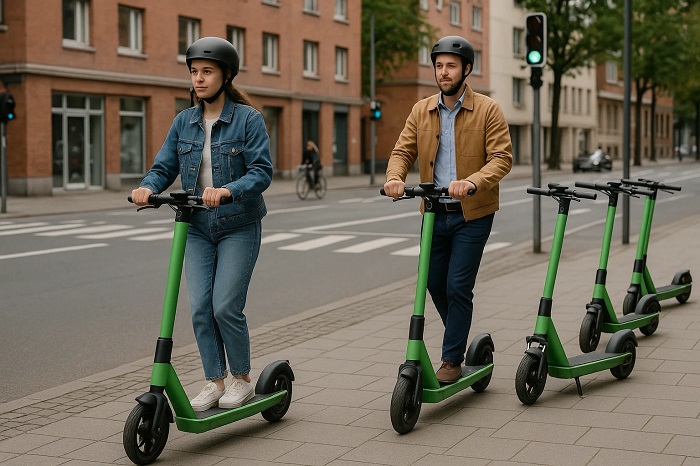
Shared e scooters solve that short, annoying gap in many trips. Train to office. Bus stop to home. Coffee shop to campus. Fast unlock, quick ride, done.
Then you look around a busy street and see the messy side. Scooters tossed across sidewalks. People riding through crowds with no care. Two riders on one deck. Scooters blocking ramps and doors. Drivers upset. Parents tense. City staff dragging scooters out of walkways again and again.
This does not need to stay that way. A few clear, simple habits from riders clean up most of the chaos. No long rulebook. No lecture. Just basic respect for people and space. The next sections walk through those habits in a direct, human way.
Everyday shared e-scooter etiquette
Good use starts with mindset. Unlock the scooter, act like you stepped into traffic with other people who matter.
Core ideas:
- Treat the scooter like a real vehicle.
- Treat people on foot as priority.
- Treat public space like something you share, not rent for yourself.
Simple ways to show that:
- Keep your speed calm anywhere near crowds. Give people room without forcing them to jump aside.
- Use the bell if the scooter has one. A short ring is better than silent approach.
- Keep your music in your headphones. You need to hear cars, bikes, voices.
- No two people on one scooter. Balance, brakes, and deck size do not support that in a safe way.
- Skip shortcuts through flower beds, playgrounds, narrow terraces, or indoor spaces.
- Show extra care near children, older people, or anyone who looks unsure on their feet.
Nothing fancy here. Just normal street manners on wheels. Riders who behave like this lower tension for everyone.
Clear riding rules that keep you and others safe
Different cities write different rules, yet the basics line up. Follow these and you stay on the safe side in most places, both for your body and for your wallet.
Where to ride
Pick the place that fits a light vehicle with small wheels.
- Use bike lanes that feel safe and are marked for cycles or light personal vehicles.
- On streets without bike lanes, ride near the edge in the same direction as traffic.
- Avoid sidewalks packed with pedestrians. If local rules allow scooters on wide sidewalks, slow to walking pace and give people generous space.
The idea is simple. People on foot should never feel hunted by a silent scooter.
Speed that matches the street
App speed limits help, yet they do not see every situation.
- Slow near crossings, schools, public squares, markets, stadiums.
- Ease off the throttle before sharp turns or blind corners.
- In tight areas, ride at a pace where you can stop within a few meters.
If a spot feels risky at high speed, it is. Roll gently through it.
Passing and yielding
Overtaking on a scooter looks easy. Still, one rushed move can cause a crash.
- Leave a wide gap when passing bikes or pedestrians.
- Keep a straight, predictable line. No quick zigzags between cars or bikes.
- Wait a moment instead of squeezing through tiny spaces.
- Stop for people in marked crossings. No slalom around them.
Lights and visibility
Many riders forget how small they look from a car seat.
- Use front and rear lights in low light, tunnels, bad weather, late evenings, early mornings.
- Wear at least one item that stands out, like a light jacket or reflective strap.
- Avoid all dark clothes on dark streets with no extra reflection.
Focused riding
Shared scooters feel playful. Traffic stays real.
- No riding after heavy drinking or strong medication.
- No scrolling maps with one hand while rolling. Stop, check, then ride.
- Keep both hands on the handlebar except for short arm signals.
- Watch for potholes, tram tracks, metal covers, wet tiles, loose gravel.
One small habit at a time, you turn from “random rider” into someone people trust near them.
Parking rules that stop clutter
Parking makes or breaks public support for shared scooters. One lazy drop can block a wheelchair, stroller, or luggage. People take a photo, post it, complain, and pressure builds for bans.
Think of each parking spot as a message. Clean, neat, out of the way. Or careless and selfish. Up to you.
How to pick a good spot
Before you end the ride, check three things.
Ask yourself:
- Can a wheelchair or stroller pass with no effort.
- Can someone step out of a door or car without tripping.
- Does this spot keep the scooter stable and out of driving lines.
If any answer feels wrong, move a little and fix it.
Good places for most cities:
- Marked scooter or bike racks.
- Painted scooter bays.
- Near curbs where no doors, ramps, or loading zones need that space.
- Wide sidewalks that still keep plenty of room for people to walk side by side.
Line up scooters in the same direction instead of scattering them. That small touch makes streets feel ordered.
Spots to avoid every time
Skip these completely:
- In front of doors, shop fronts, gates, garages.
- Across wheelchair ramps or tactile paving strips.
- On narrow sidewalks.
- In front of bus, tram, or metro doors and platforms.
- Lying in bike lanes or car lanes.
- Leaning in a way that can tip into traffic.
Extra ten seconds of care at the end of each ride saves hours of frustration for others.
Safety, awareness, and riding like everyone else can make mistakes
Street traffic is messy. People look at phones. Drivers forget to signal. Tourists stare at maps. No one has perfect focus all the time.
Ride with that in mind. Expect mistakes from others and leave space for them.
Read your surroundings
Keep your eyes active.
- Parked cars on your side. A door can swing open.
- Driveways and side streets. A car can pop out.
- Groups of people near the curb.
- Sudden changes in surface, such as cobblestones or rails.
Slow a bit before complex spots. Choose a clear path and stick with it.
Look after people who need more space
Some users need more time or space to react.
- Extra room near children who run, stop, turn without warning.
- Extra room near people using canes, sticks, crutches, or wheelchairs.
- Extra room near anyone with a guide dog.
- A short bell ring and calm passing speed in tight areas.
Safety here is not drama. It is small daily kindness that takes almost no time.
Night rides and bad weather
Conditions change fast.
- Turn lights on early.
- Cut speed on wet roads. Painted lines, metal covers, and smooth stone turn slick.
- Keep both hands firm on the grips in wind and rain.
- Avoid deep puddles that can hide holes.
Most crashes that riders call “bad luck” come from simple things they could predict. A little more care removes many of them.
Light legal awareness without heavy jargon
Laws change from place to place. The app usually adjusts speed and zones, yet public rules still matter.
Common patterns many cities share:
- One person per scooter.
- Age limits for riders.
- Speed caps in shared or busy areas.
- Same direction as traffic.
- Respect for traffic lights, stop signs, and one way streets.
- No drunk riding.
Many services show red zones, slow areas, and parking zones on the map. Respect those shapes. They come from crash data, blocked access reports, or agreements with the city.
If you ride often in one place, read the local rules once through official channels. It takes a short time and removes guesswork. This guide stays general and does not replace those rules.
How rider habits decide the future of shared scooters
Shared scooters stay in cities only if three groups feel okay with them.
- Residents can walk without jumping over scooters.
- City halls can prove that complaints stay low and streets stay clear.
- Riders can keep easy, fast access without heavy bans or tiny service zones.
Daily habits feed this balance more than any marketing line.
What happens when riders act like they care
Small choices create a clear pattern.
- Fewer photos of blocked ramps reach city channels.
- Fewer serious crashes link to shared scooters.
- Operators show data that looks stable.
- Local staff spend less time clearing piles of vehicles.
Then cities feel safer about adding racks, painted parking spots, and better bike lanes. That helps every rider and brand.
People who want to ride better often look for trusted, detailed resources. Many study dedicated Electric Scooters Guides to learn more about safe models, setups, braking systems, and daily use tips that match real conditions, not just promo talk.
When riders take the role seriously, shared scooters look less like toys scattered around and more like part of normal transport.
A simple standard for better shared e-scooter use
Shared scooters are here. The question is whether they stay welcome or pick up more bans and limits each year. That choice lives in thousands of small rides, not only in city documents.
Keep a short personal code.
- Treat the scooter like a vehicle, not a gadget.
- Give people on foot more space than you think they need.
- Pick parking spots that leave clear paths and clean lines.
- Follow lights, signs, speed caps.
- Use lights, ride sober, stay present.
- Take a moment at the end of each ride to leave the scooter safe for the next person.
These habits protect you. They protect strangers you will never meet. They protect the service you like to use on rushed days or late nights.
For riders who want to match responsible habits with better hardware knowledge, detailed Electric Scooters Specifications help compare brakes, decks, lights, tires, and other features that support safer, calmer use on real streets.
Act like a driver. Think like a neighbor. Leave each stop a little more organized than you found it. Shared scooters work best when riders quietly prove they deserve that trust.